Ritha, Supervisor Swallows Medicine as a Hero for TB Sufferers
To see the dangers of Tuberculosis (TBC) which is caused by the Mycobacterium Tuberculosis germ which attacks the lungs or other parts of the body, we can look at the 2022 data from the Ministry of Health (Kemenkes). In that year, the Ministry of Health detected 717,941 cases of TB in Indonesia. Meanwhile, according to the 2022 Global Tuberculosis Report, Indonesia's TB cases are still in second place after India.
With the large number of TB cases, to handle them, the Indonesian government has made several efforts, including BCG immunization which is given to babies when the child is 2-3 months old, TB surveillance, namely systematic observation of data and information on TB incidents, TOSS TB, namely finding and treating until cured. TB, Tuberculosis Prevention Therapy (TPT), and increasing the capacity of TB Health Service Facilities (Fasyankes). The government also made a Presidential Regulation (Perpres) contained in No.67/2021 to support the target of eliminating TB by 2030.
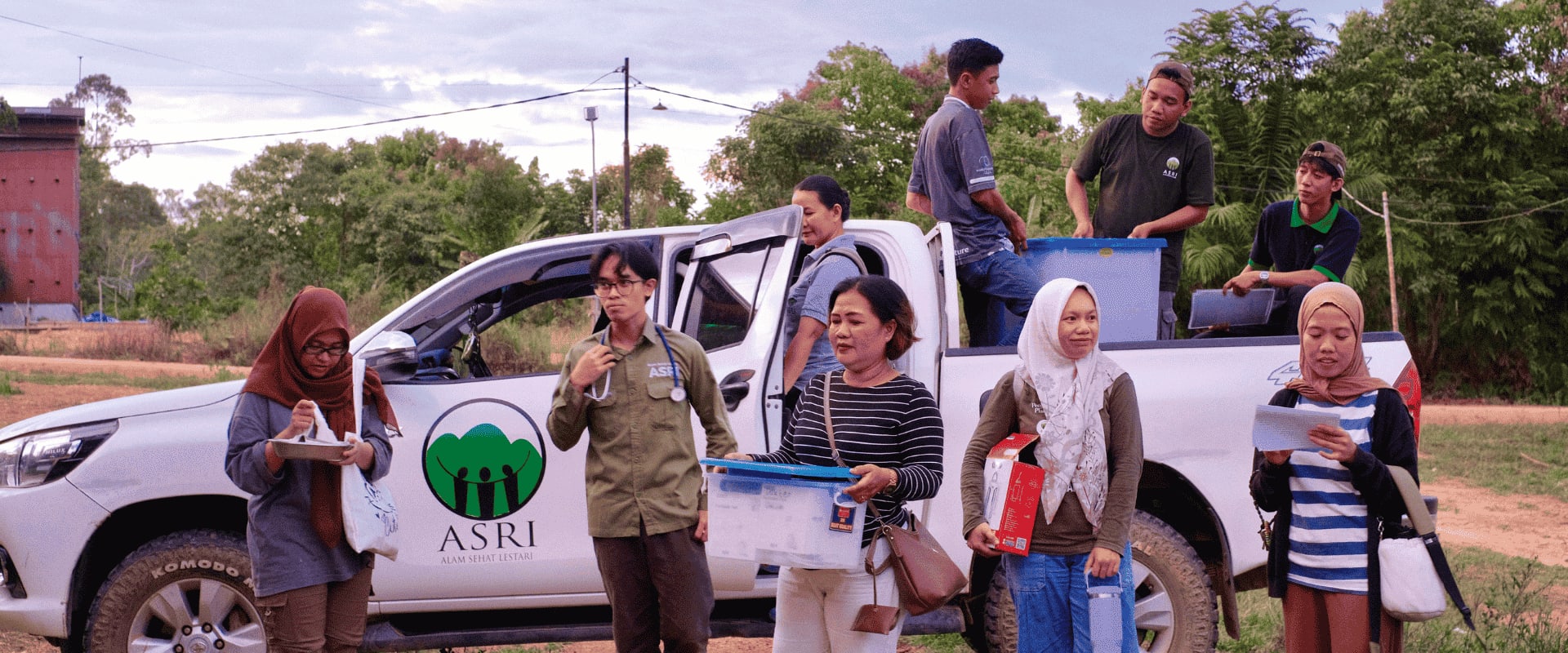
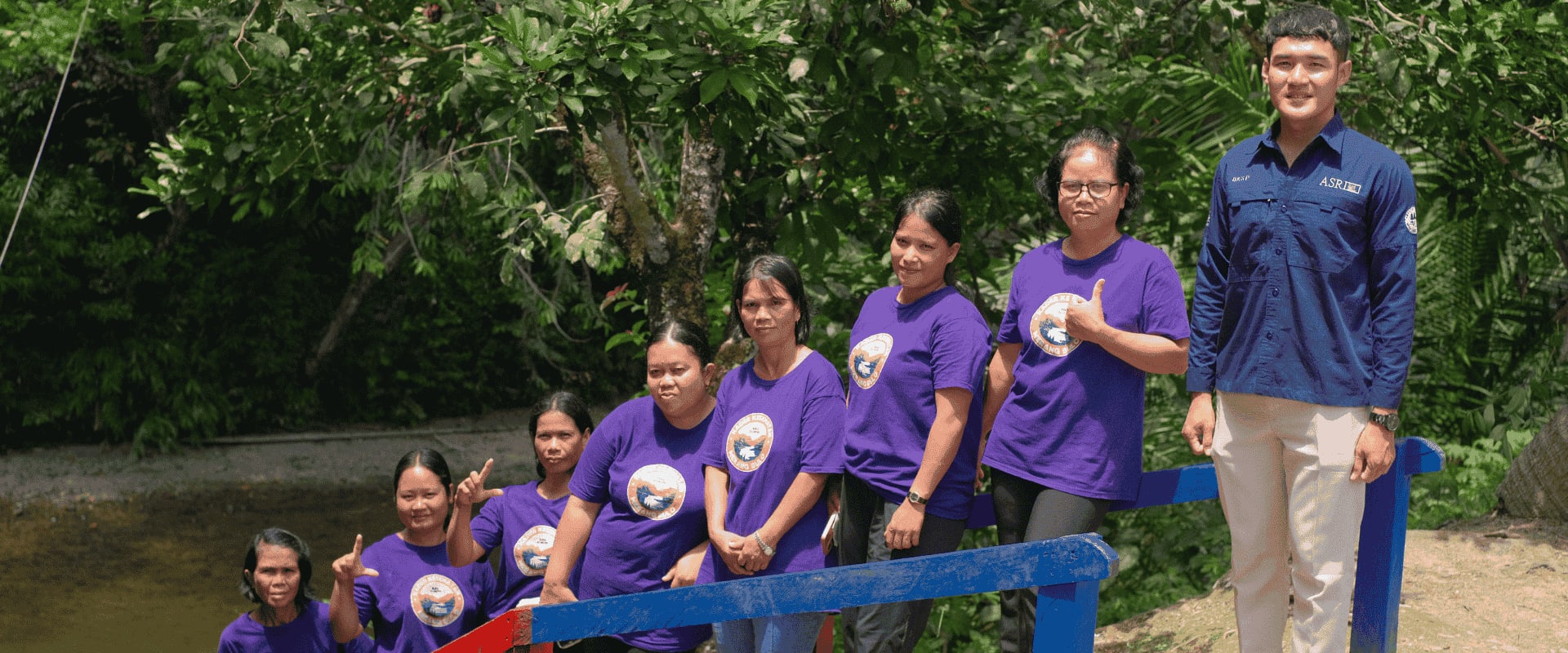
Indonesia's commitment to realizing the target of eliminating TB by 2030 is welcomed and supported by the Alam Sehat Lestari Foundation (ASRI) by including TB treatment in the health program, namely eradicating TB in collaboration with the health service, Sukadana health center, Teluk Batang health center, and Telaga Harum health center. Currently ASRI is implementing a DOTS (Directly Observed Treatment Short-Course) strategy. ASRI trains and assigns Drug Ingestion Monitors (PMO) spread across buffer villages in the Gunung Palung National Park area. Currently ASRI has 10 active PMOs tasked with supervising TB patients so that patients do not stop taking their medication.
Mrs. Seyni or who is familiarly called Mrs. Ritha, 48 years old, is one of the PMOs who has collaborated with ASRI since 2008. Mrs. Ritha explained her reasons for becoming PMO. "I want to help TB sufferers recover from their illness," said Mrs. Ritha.
Apart from this reason, Mrs. Ritha is also grateful to get additional income for her family apart from being a PAUD teacher and wants to support the government's program so that Indonesia is TB-free by 2030. So far, Mrs. Ritha has treated 50 patients with work areas in Sedahan Jaya Village and Benawai Agung Village. All patients treated by Mrs. Ritha successfully completed treatment and were declared cured of TB. Currently, Mrs. Ritha is treating 2 TB patients.
Mrs. Ritha's desire to cure TB patients has also experienced challenges since the program was first implemented. One of them is the wrong perspective regarding TB disease which is still developing in society as stated by Mrs. Ritha. "Many TB patients and their families still think that this is a non-communicable disease so sufferers don't want to wear masks," he said.
He continued to explain the challenges, including that many people still think that this is a curse or hereditary disease that cannot be cured medically. This erroneous perspective arises due to a lack of public knowledge about TB disease. With this, it is the biggest challenge for PMO to educate the public to be aware that TB disease can be cured with treatment and has nothing to do with curses or heredity.
It is not uncommon for Mrs. Ritha to experience rejection from the patient's family because they think this disease cannot be cured. Apart from that, there are also patients who are not disciplined in taking the medicine they are given, as well as fussy patients who don't want to take medicine for various reasons. In several cases, Mrs. Ritha found patients who felt they had recovered from the disease before completing treatment and refused to continue. This is of course not in accordance with what is recommended because the TB treatment process takes 2 months in the incentive phase and 4 months in the continuation phase and can even be more for some patients.
On the occasion of speaking with Mrs. Ritha, she shared her experience in facing challenges with one of her patients. On that occasion she said that there was one TB patient who was being treated but needed special attention because every time the visit was made you had to wait 1 to 1.2 hours at the patient's house. so that you can meet and give medicine. It doesn't stop there, these patients also find it difficult to take medicine so they have to be patient, crush the medicine to eat and often bring fruit to make their patients happy so they want to take the medicine. Despite this, Ritha's mother remained patient and helped the patient recover from his illness.
"Talking from heart to heart, taking a joke first, waiting until the patient actually takes the medicine, even bringing food, grinding the medicine," said Mrs. Ritha, mentioning her tactics in ensuring her patients take the medicine.
By becoming a PMO, there is a possibility that TB patients could contract the disease. Mrs. Ritha continues to carry out her work wholeheartedly, of course by using recommended health protocols, such as wearing a mask when visiting patients' homes. This wholehearted work is shown in how Mrs. Ritha encourages patients to continue taking their medication by taking an approach, providing education about TB and encouraging patients that this disease can be cured. It is with this enthusiasm that Mrs. Ritha serves the community with the assistance of ASRI through monitoring the TB patients she treats.
Once a month, Mrs. Ritha and 9 other PMOs hold regular meetings with the person in charge of TB and doctors from the ASRI clinic to discuss developments, patients and consultations regarding steps that need to be taken by TB patients. Currently, Mrs. Ritha is taking care of 2 TB patients in her work area. Mrs. Rita hopes that this program can help the Indonesian government's efforts to eliminate TB by 2030.