ASRI and Indigenous Health Cadres Working Together to Protect Community Health Around the Forests of Sintang
The journey to Nanga Jelundung and Rantau Malam villages is far from easy. To reach these two buffer villages near Bukit Baka Bukit Raya National Park in Sintang Regency, the team from Alam Sehat Lestari Foundation (ASRI) must travel by boat for around eight to nine hours. The boat moves along winding rivers through the dense rainforests of Kalimantan, carrying the health team to remote villages where the Dayak Ot Danum Indigenous community has long lived in harmony with the forest they have protected for generations.
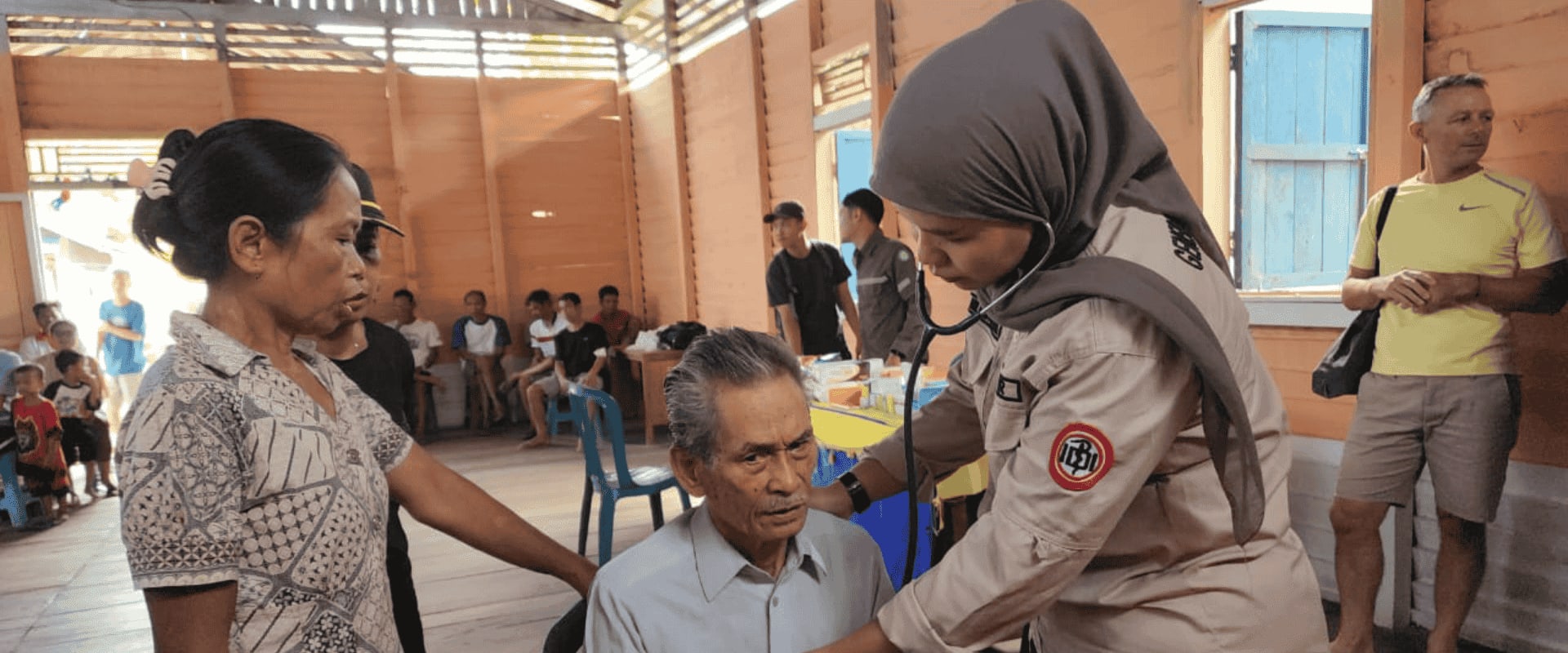
In places where access to healthcare facilities is extremely limited, maintaining community health does not rely solely on doctors or nurses who visit occasionally. It also depends on people who live in the village every day: community health cadres who are themselves members of the Dayak Ot Danum Indigenous community. In this region, ASRI usually delivers healthcare services through its Mobile Clinic program. Temporary health posts are set up in the village community hall, where residents can receive medical check-ups, consult with health professionals, and collect the medicines they need.
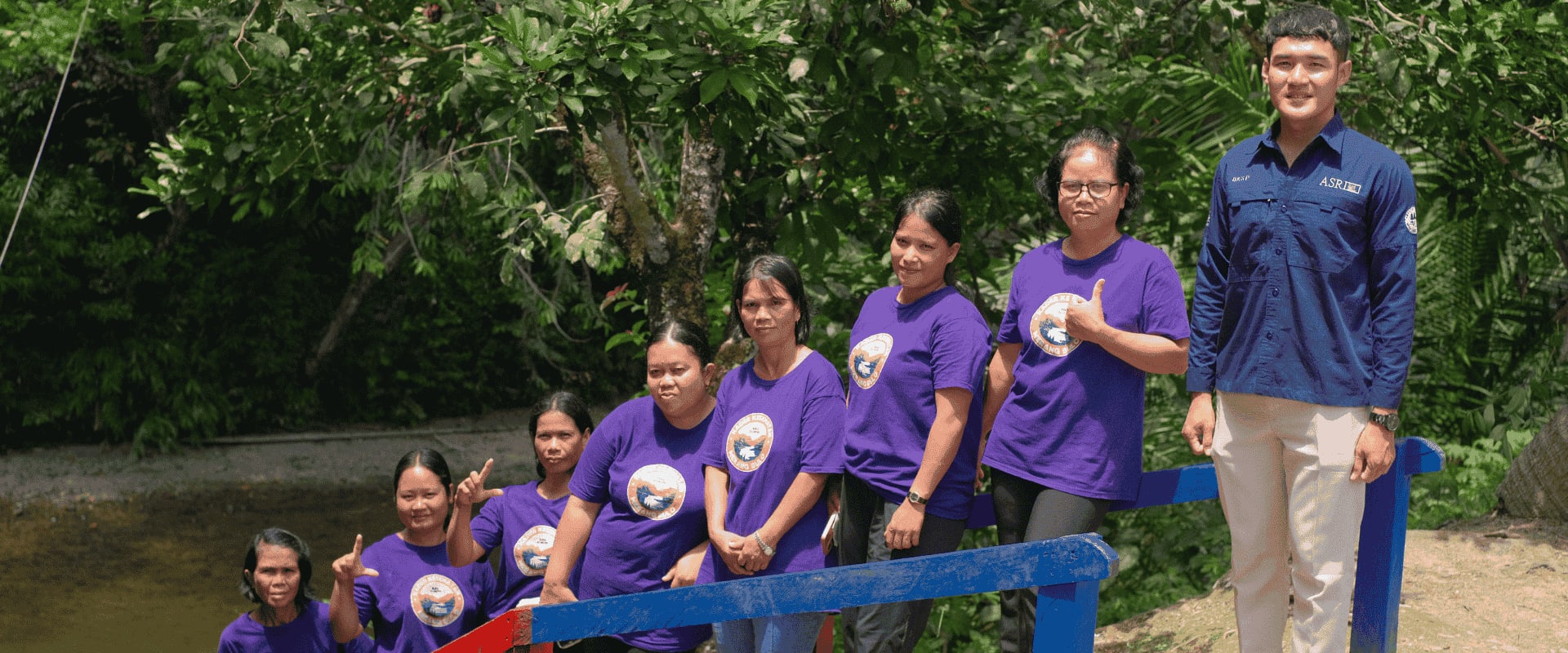
During a recent visit, ASRI health team member Dwy Kurniawan trained village health cadres to conduct basic health screenings, including blood sugar, cholesterol, and uric acid checks. While the medical tools used may seem simple to many, for cadres in remote villages these skills are essential for detecting health risks early within their communities. Soon after the training, the cadres immediately applied their new knowledge. Together with the ASRI health team, they conducted home visits to residents’ houses, particularly for patients with chronic illnesses and elderly individuals who have difficulty traveling to the health post.
Some elderly residents in these villages do not speak Bahasa Indonesia in their daily lives. This is where the cadres—who are part of the Dayak Ot Danum Indigenous community—play a crucial role. They act as a bridge between the medical team and the patients, translating doctors’ and nurses’ explanations into local languages and simplifying complex medical terms so they can be easily understood by older residents.
Their role does not stop when the health activities end. In their daily lives, the cadres continue to engage with community members, sharing health information through casual conversations using familiar language and culturally appropriate approaches. By using local languages and community spirit, health education becomes easier for residents to understand and adopt.
The recent health activities also brought excitement to children in both villages. The ASRI health team visited local elementary schools and early childhood education centers to teach the importance of dental hygiene. Around 150 students received toothbrush and toothpaste packages while also learning how to brush their teeth properly.
The children participated enthusiastically. Once again, the health cadres played an important role as facilitators, helping explain the lessons using both Bahasa Indonesia and local Indigenous languages. This approach made the simple message about dental care easier for children to understand.
According to Dwy Kurniawan, the presence of community health cadres is key to sustaining ASRI’s health initiatives around Bukit Baka Bukit Raya National Park. “Health cadres are the frontline of health efforts here,” he explained. “They are the ones who live in the village every day, continuously reminding people about health and helping take care of the community.”
The success of the activities in Nanga Jelundung and Rantau Malam also relies on the strong support of village governments. In Nanga Jelundung, Village Head Netty actively encourages residents and health cadres to participate in health programs. For the village government, ASRI’s presence brings hope for residents who have long faced limited access to healthcare.
This reality is reflected in the story of Sarbina Pede, one of the patients at ASRI’s Mobile Clinic in Nanga Jelundung. In the past, she often had to spend more than 500,000 rupiah to seek treatment in Serawai—an amount that is quite burdensome for many rural families. She once nearly cried thinking about her illness, especially when she did not have money to buy medicine.
That afternoon, Sarbina came to the ASRI health post with hope. She waited patiently for her turn to check her condition and consult with the health team. With a slightly anxious expression, she asked whether her health had improved, as her blood sugar level had previously been very high.
After receiving treatment, Sarbina expressed her gratitude for ASRI’s presence, saying it had improved her life because she could now receive free medical care. Stories like hers remind us that access to healthcare in remote areas remains a major challenge.
Yet in villages like Nanga Jelundung and Rantau Malam, hope grows through collaboration—through long journeys along the river, through the dedication of healthcare workers, and through the commitment of health cadres from the Dayak Ot Danum Indigenous community who work every day to safeguard the health of their villages.
In the heart of Kalimantan’s forests, they are not only health volunteers—they are guardians of life. 🌿