Medicinal Plant Research: Preserving Local Knowledge from Indonesia’s Forests
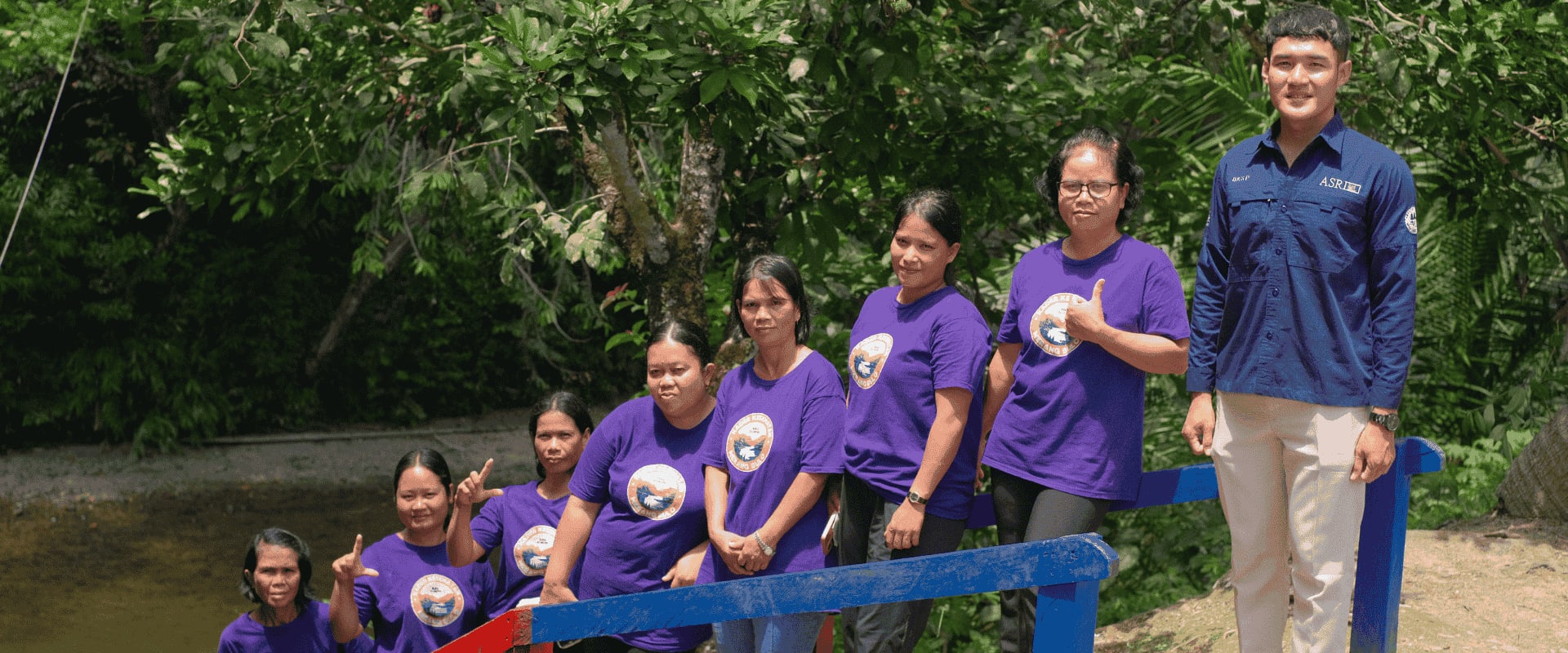
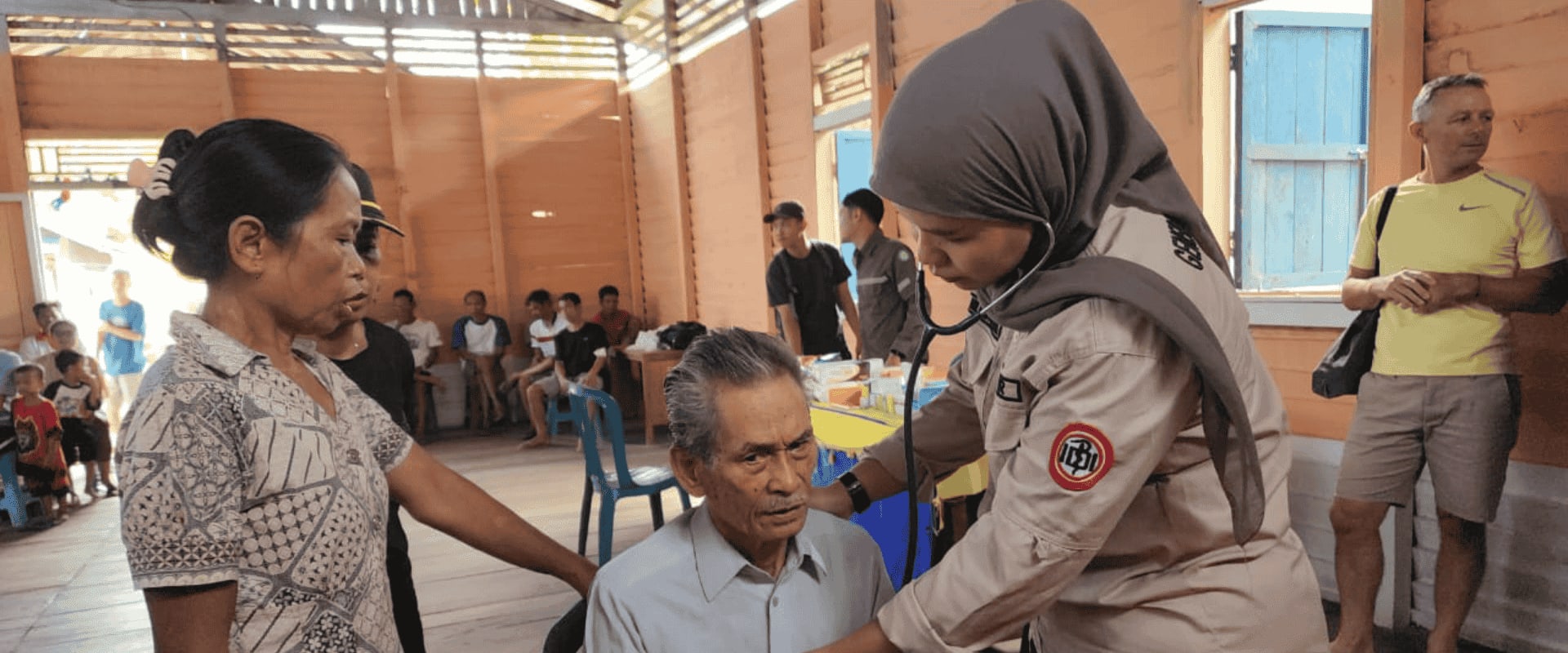
For many communities living near forests, medicinal plants are not merely a source of treatment but also part of cultural knowledge passed down through generations. Through research on medicinal plants, ASRI seeks to document this local knowledge while also understanding the close relationship between human health and forest conservation. An ethnobotanical approach is used to gather information directly from Indigenous peoples and local communities regarding medicinal plant species, how they are used, and the cultural values that accompany them.
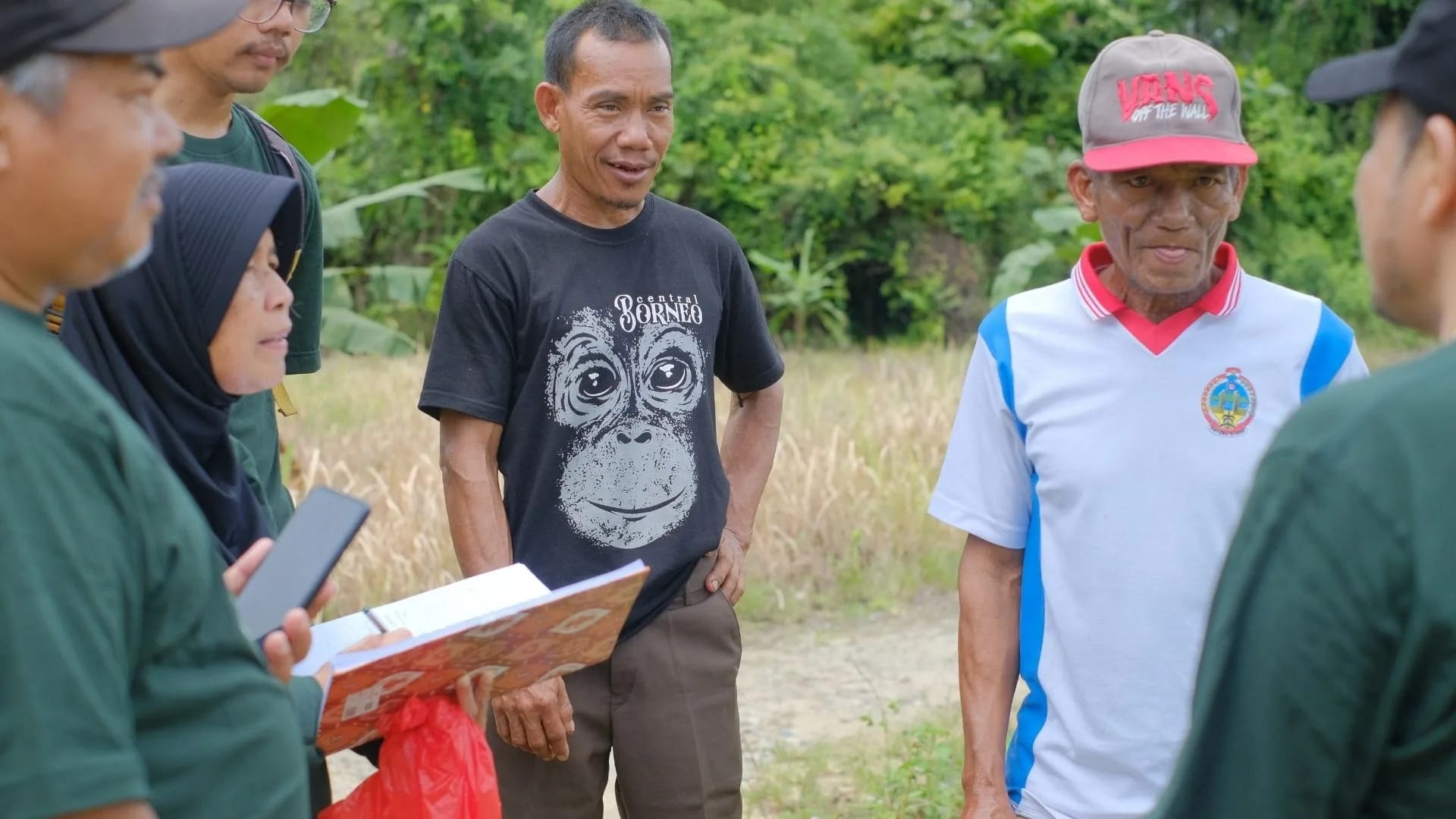
This medicinal plant research is a collaborative effort between ASRI and Balai Taman Nasional Gunung Palung, Balai Taman Nasional Bukit Baka Bukit Raya, and BBKSDA Papua Barat Daya. The research is conducted together with the Center for Ecology and Ethnobiology Research and the Center for Medicinal Raw Materials and Traditional Medicine Research of BRIN, with active involvement from local communities. Since 2023, the research has been carried out in three ASRI intervention areas: around Bukit Baka Bukit Raya National Park with the Dayak Uud Danum community, Gunung Palung National Park with Malay and Dayak communities, and North Tamrau Mountains Nature Reserve in Southwest Papua with various Indigenous groups. Through interviews and field identification, the team has successfully documented hundreds of plant species used as traditional medicine by local communities.
One particularly interesting story comes from Laman Satong Village near Gunung Palung National Park. Local communities recognize eight medicinal plants whose names begin with the word “bintang” (meaning “star”). One example is “bintang satu,” belonging to the genus Spatholobus sp., a woody liana plant related to the well-known medicinal plant bajakah. Traditionally, the community combines these eight “bintang” species with 16 other plant species, forming a collection of 24 medicinal plants used to prepare a beneficial herbal remedy. This herbal mixture is believed to help relieve various ailments, ranging from back pain to serving as a restorative drink for mothers after childbirth. According to village elders, the original formula once consisted of up to 44 plant species, but today only some of them can still be found in the forest. This story serves as a reminder that the richness of medicinal plants in Gunung Palung is not only part of its biodiversity but also a legacy of local knowledge that must be preserved so it does not disappear with the passage of time.
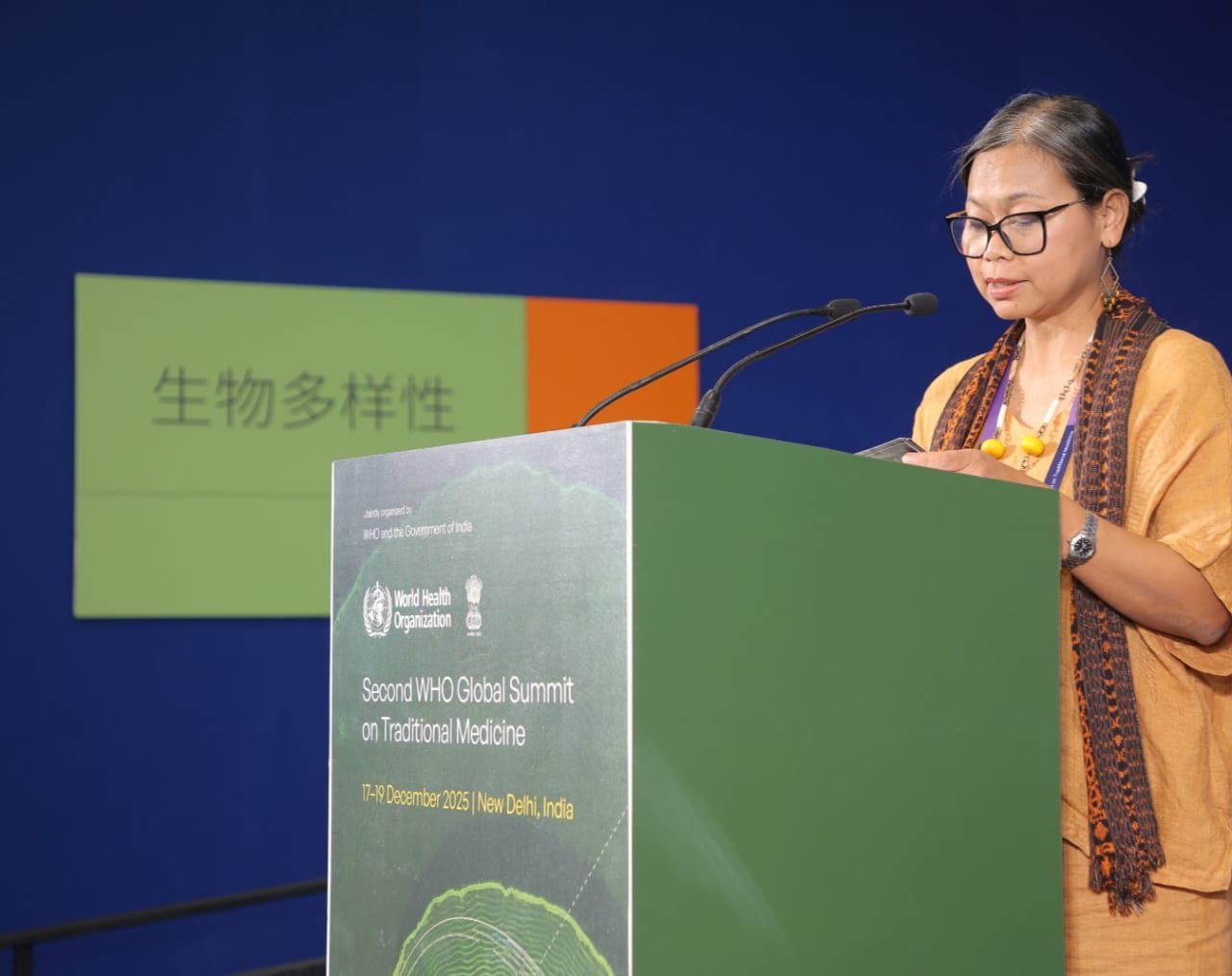
To date, the research has recorded 100 medicinal plant species in Bukit Baka Bukit Raya National Park, 105 species in Gunung Palung National Park, and 66 species in the North Tamrau Mountains Nature Reserve. These findings have been compiled into two books: Preliminary Study of Bioprospecting and Medicinally Useful Plants of Bukit Baka Bukit Raya National Park and Exploration of Medicinal Plants Based on Local Wisdom in Gunung Palung National Park, West Kalimantan. In December 2025, ASRI also participated in the WHO Global Summit on Traditional Medicine, serving as one of the panelists in the parallel session “Healthy Ecosystem, Healthy Futures through Traditional Medicine.” The session was represented by ASRI’s Chairperson, Yani Saloh, who shared insights on the importance of preserving medicinal plant knowledge to support both community health and forest conservation.