Planetary Health Action Collaboration in the Land of Papua
For more than 17 years, ASRI has been known for its work in Kalimantan integrating healthcare services, forest protection, and strengthening community livelihoods. Today, that impact is expanding even further. Since 2024, ASRI has continued to strengthen its presence in the Land of Papua, particularly in Tambrauw Regency, Southwest Papua.
This program is supported by the Packard Foundation and the Hans Wilsdorf Foundation, continuing the support of Mrs. Liz, an extraordinary individual who financed ASRI’s preparation phase in Papua, as well as GIZ, which first supported ASRI’s initial assessment in this region. This sustained support has enabled ASRI to build institutional foundations, strengthen government partnerships, and ensure operational readiness to work responsibly and sustainably in a highly remote and complex context.
Launching Healthcare Services and Strengthening the DTPK System with the Ministry of Health
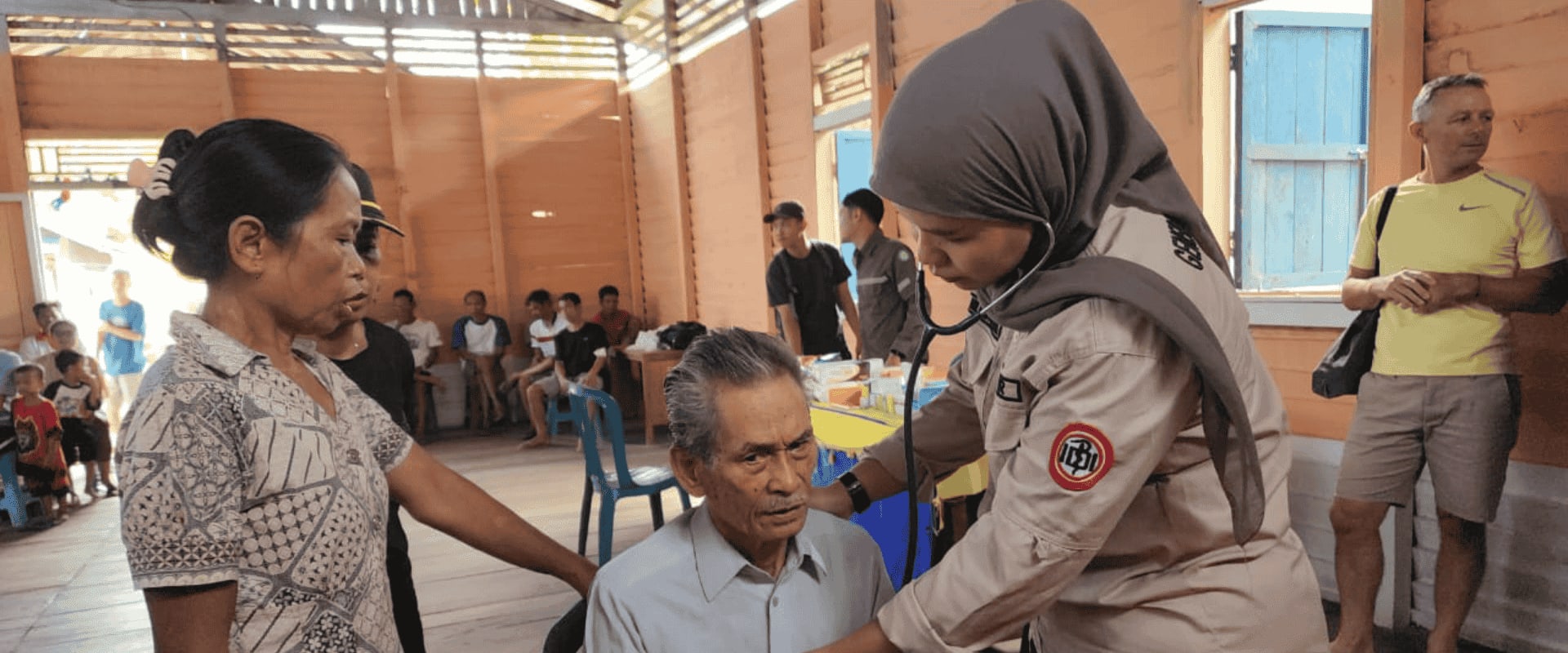
In August 2025, ASRI officially launched mobile clinic services reaching four districts in Tambrauw: Fef, Syujak, Miyah, and Mubrani. In 2026, these services are scheduled to run regularly, strengthening healthcare access in areas categorized as DTPK (Remote, Border, and Island Regions).
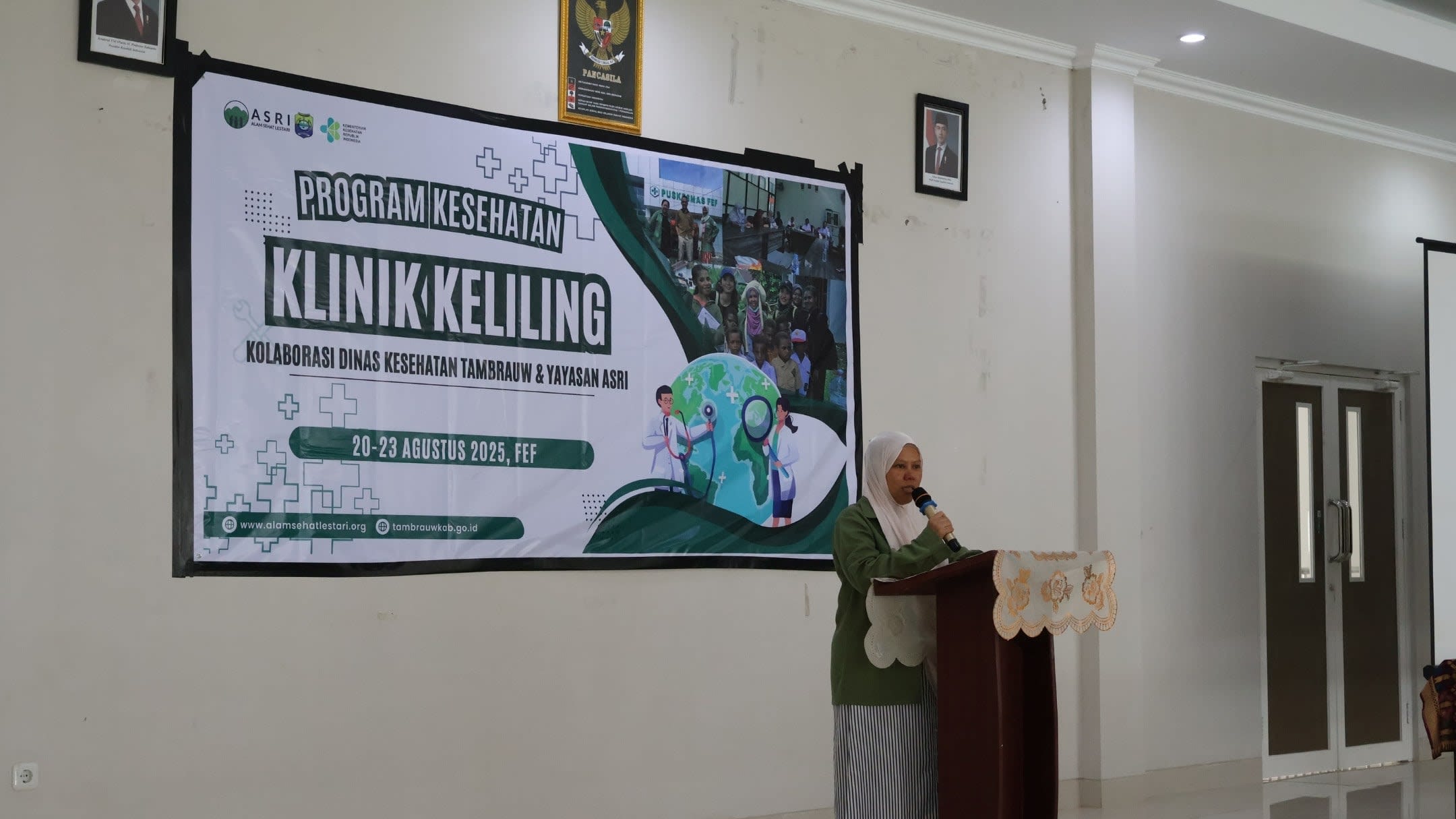
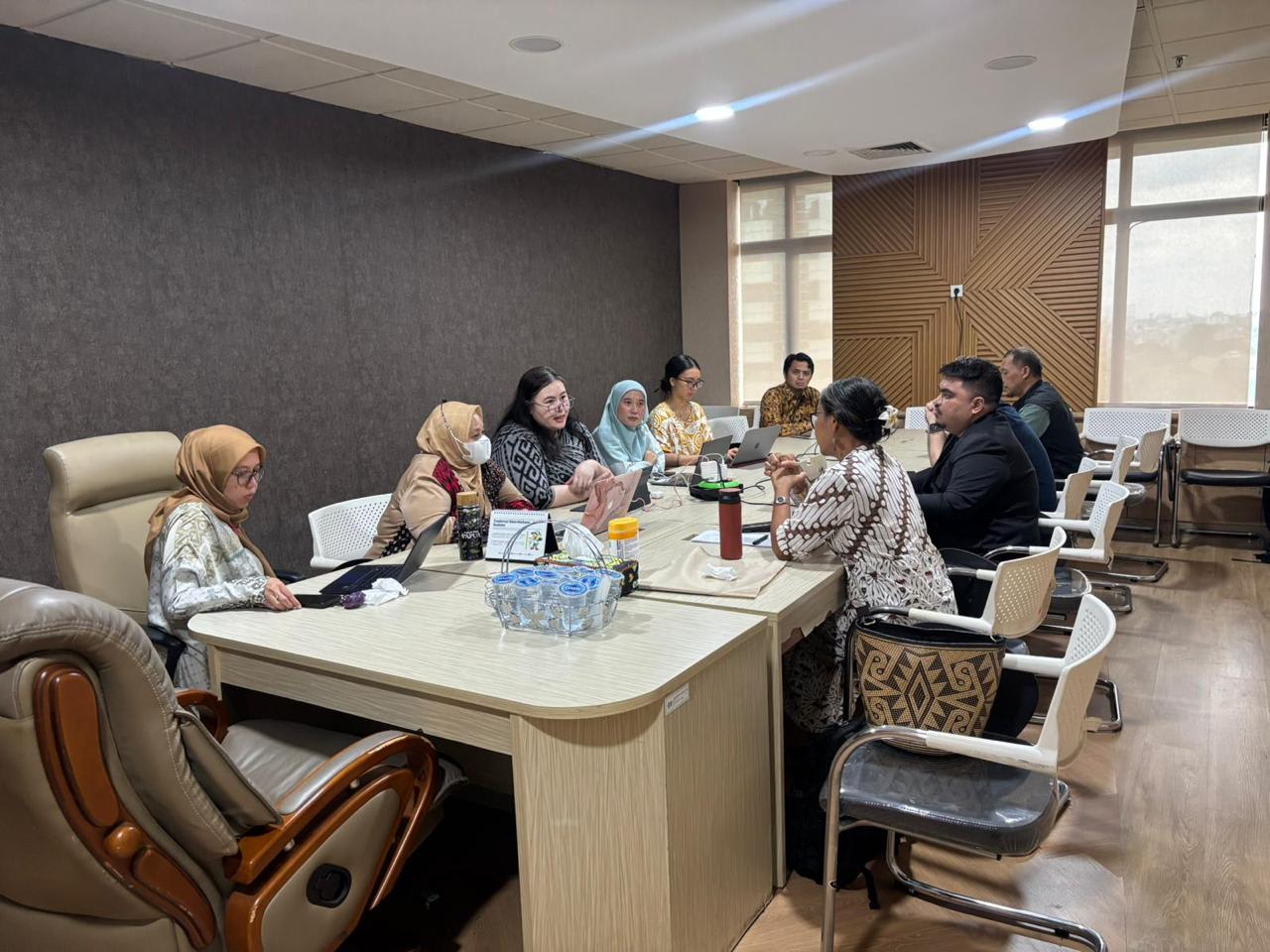
ASRI works closely with the Indonesian Ministry of Health to develop a modified healthcare service model for DTPK areas, forest landscapes, and remote Indigenous communities (KAT). Together with the Ministry of Health, ASRI has been involved in developing NSPK (Norms, Standards, Procedures, and Criteria), establishing four national working groups (task shifting for community health cadres, sustainable financing, telemedicine and ICT, and monitoring and operational research), and developing Technical Guidelines for Community Health Cadres in forest areas and remote Indigenous communities based on a Planetary Health approach. Pilot implementations are planned in several sites across Papua and Sulawesi.
This collaboration positions ASRI not only as a program implementer but also as a knowledge partner in promoting the integration of the planetary health model into the national health system.
Conservation Collaboration with the Ministry of Forestry
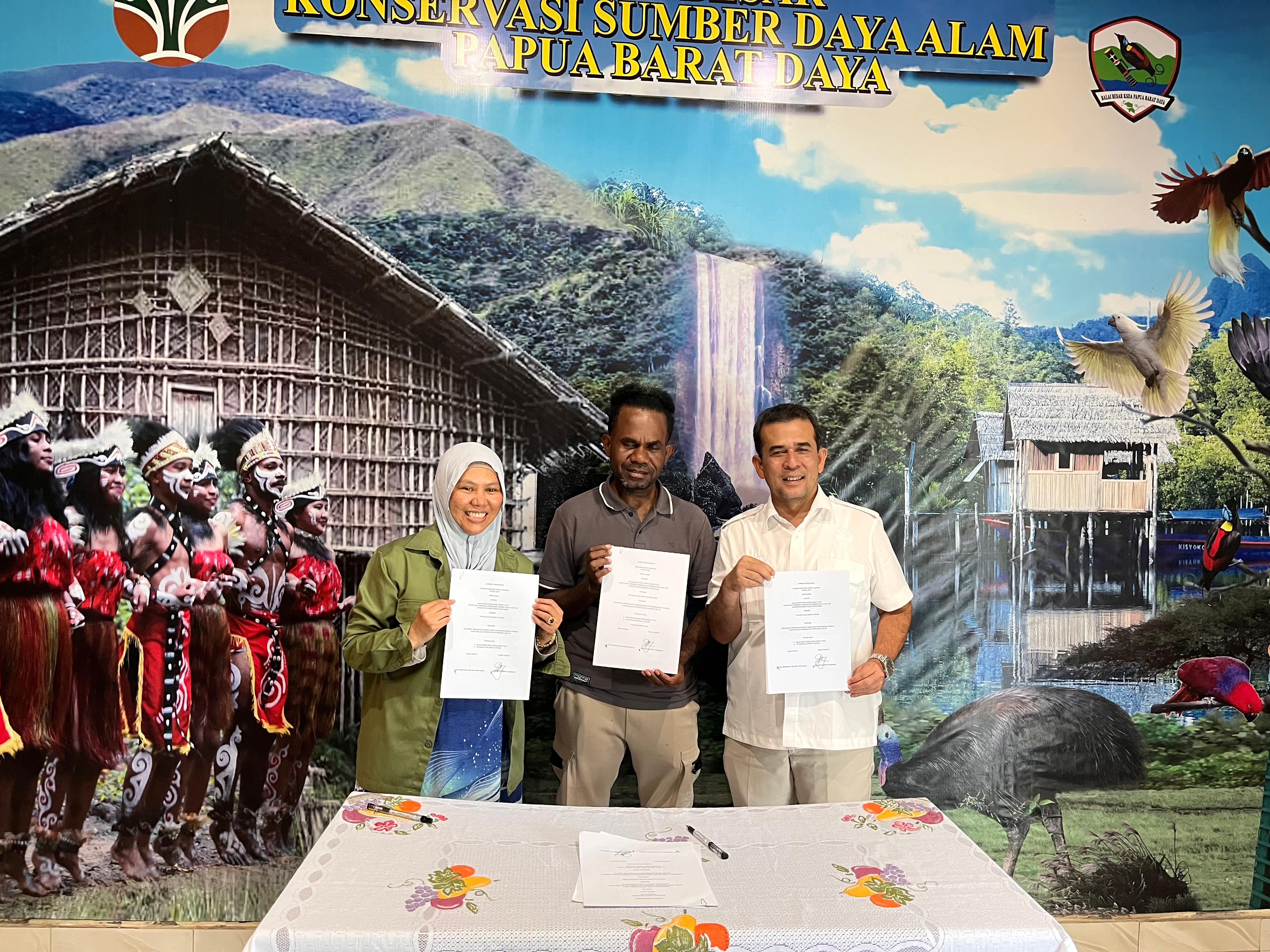
At the field level, in addition to working with local governments and universities, ASRI has established close collaboration with the BBKSDA of Southwest Papua under the Ministry of Forestry. Through an annual joint work plan, ASRI supports wildlife release, participatory forest monitoring, biodiversity inventory, and ecosystem rehabilitation in the North Tambrauw Mountains Nature Reserve.
ASRI has also begun exploring the use of the Smart Patrol Application for participatory monitoring and the development of community-based MRV (Monitoring, Reporting, and Verification) systems.
Internal Collaboration and Partnership with HIH
During this expansion process, ASRI also works closely with Health In Harmony (HIH) as a technical partner, providing support in strengthening last-mile health service systems, developing sustainable financing approaches, and integrating innovations such as telemedicine and technology-based logistics. This collaboration enriches a two-way learning process and ensures that the model being developed is not only contextually grounded in the field but also aligned with global technical standards and best practices.
To support this expansion, ASRI has also strengthened its internal structure and leadership by forming a stronger team. With the presence of a Scale Manager and the support of the existing team—particularly the Papua Project Manager, the Strategic Partnership Manager, and other ASRI team members—ASRI ensures that the expansion process is carried out seriously and with high quality. Investing in team strengthening is a critical foundation to ensure that Planetary Health work in the Land of Papua can be sustained and generate long-term impact.
Building Community Capacity and Legitimacy
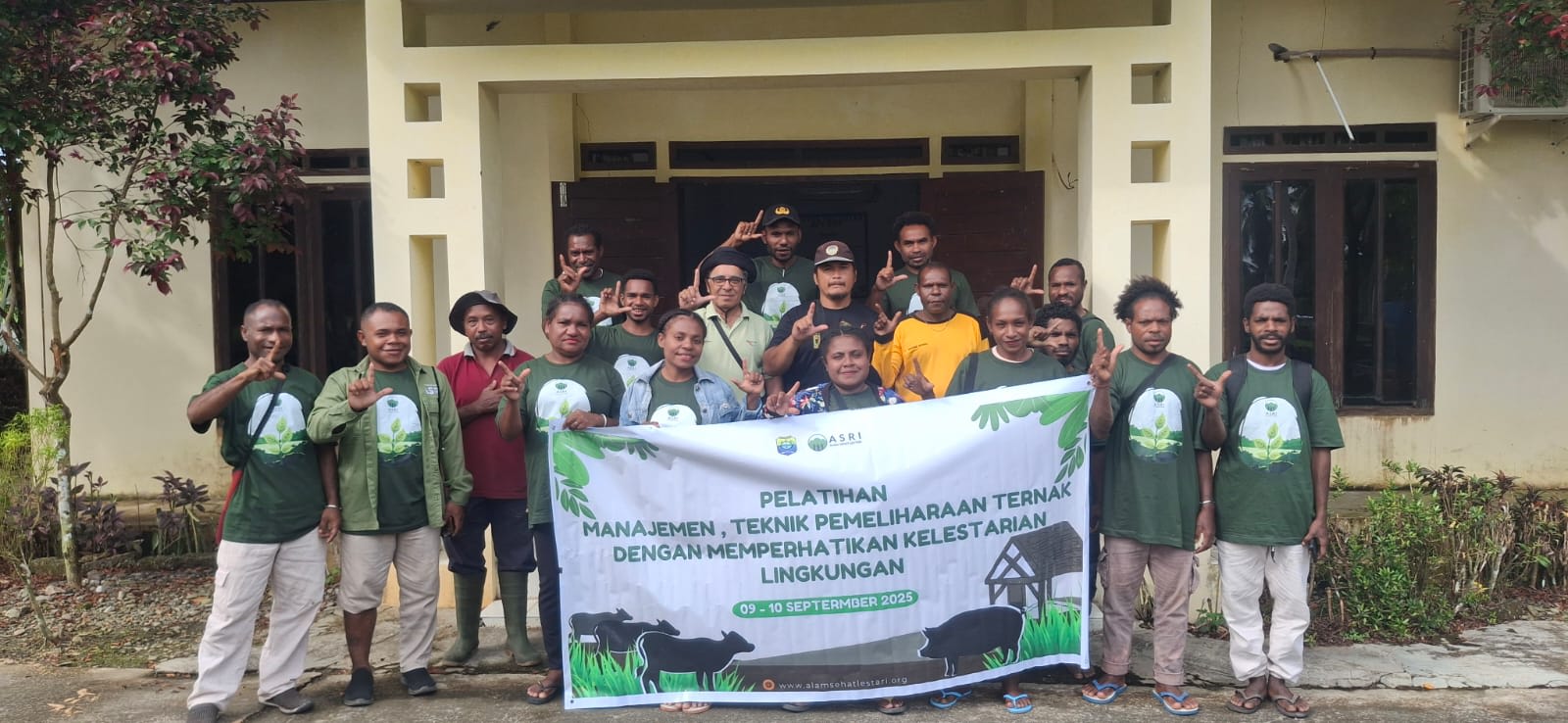
ASRI recognizes that success in Papua depends not only on technical design but also on the role of communities. The Radical Listening approach continues to be a core foundation, ensuring that solutions are co-designed with local Indigenous communities.
A total of 13 reciprocity agreements have been established across four districts in Tambrauw, strengthening trust and shared ownership of the program. ASRI is also preparing health cadre training, orchid cultivation training, and strengthening alternative livelihoods to reduce pressure on forests.
From Kalimantan to Other Forest Landscapes Across Indonesia
The expansion into Papua demonstrates that the Planetary Health model implemented by ASRI can be adapted across diverse forest landscapes in Indonesia. Geographic challenges, local political dynamics, and infrastructure limitations in Papua highlight the importance of a systemic approach that requires time and commitment.
Flexible support from the Packard Foundation and the Hans Wilsdorf Foundation will enable ASRI to strengthen internal systems, conduct field-level work, and generate credible implementation evidence for national scaling.
We extend our deepest appreciation to the Indonesian Ministry of Health and the Ministry of Forestry for their strong collaboration. Together, we demonstrate that protecting forests and improving healthcare access are not separate agendas but an integrated approach toward a healthier and more sustainable future for Indonesia.
From Kalimantan to the Land of Papua, ASRI remains committed to delivering tangible impact for both people and nature.