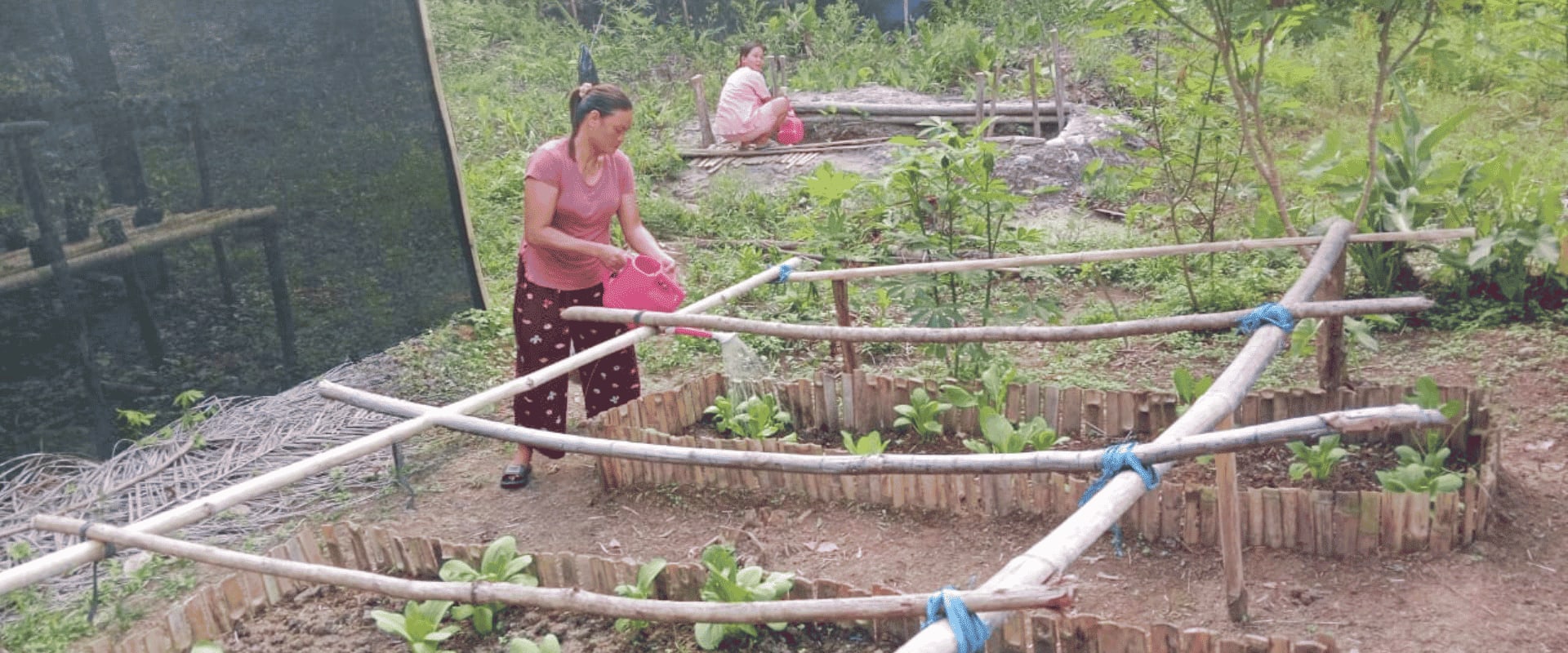
Strengthening Community-Based Food Security Through an Integrated Nursery in Nanga Jelundung Village
For the people of Nanga Jelundung Village, accessing nutritious food is not always easy. Located in a forest buffer zone, the village can only be reached by river after several hours of travel. Weather conditions, fluctuating river levels, and high transportation costs often disrupt the delivery of food supplies from nearby towns. When transportation is interrupted, food prices rise and the availability of essential commodities becomes uncertain, making food security one of the community's greatest challenges.
Recognizing that long-term food security cannot rely solely on supplies from outside the village, the community and Alam Sehat Lestari Foundation (ASRI) developed a community-based approach through an integrated nursery managed by a local women's group. This initiative emerged from a participatory process of listening to community needs and identifying local resources to build a more self-reliant and sustainable food system.
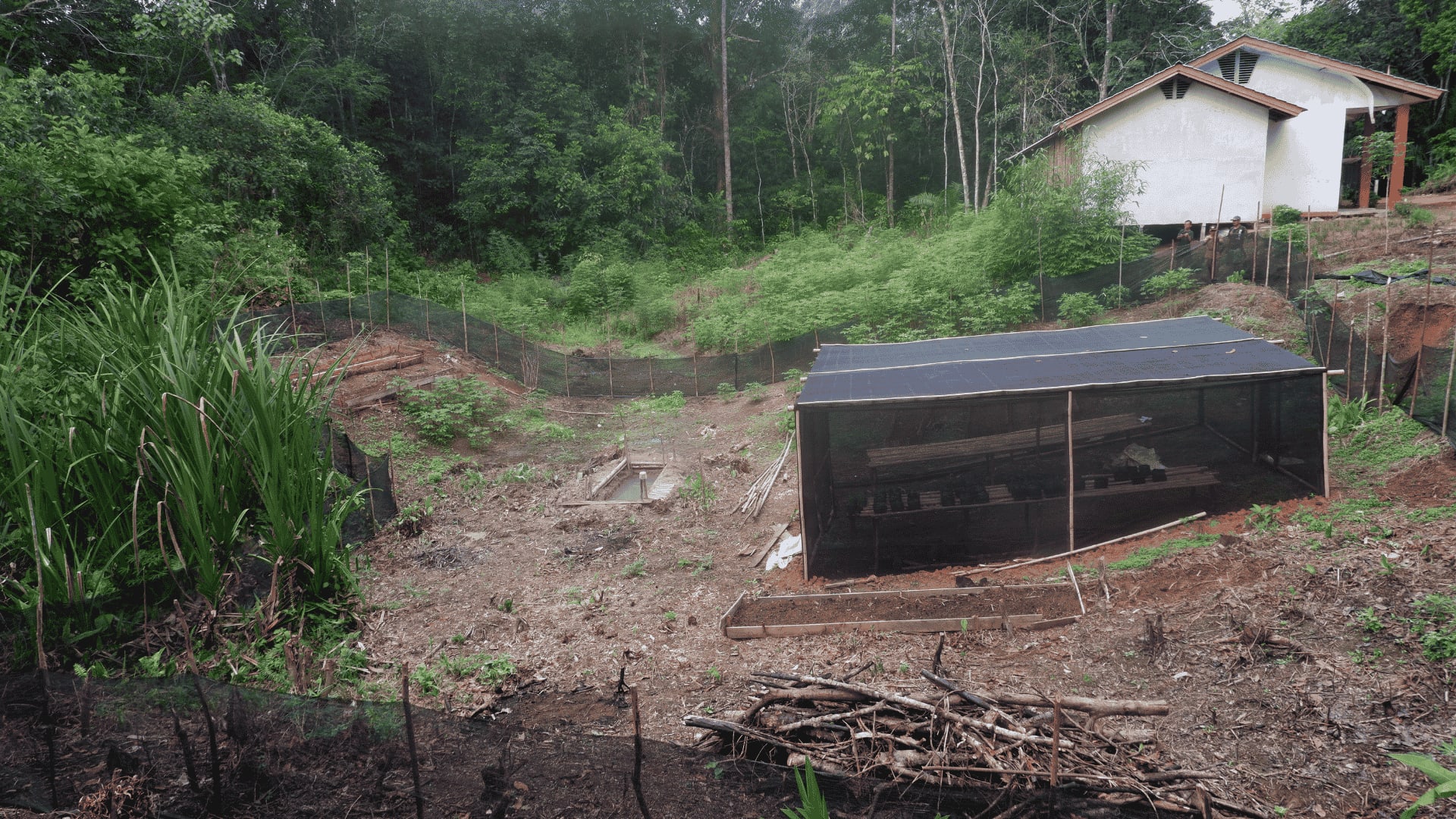
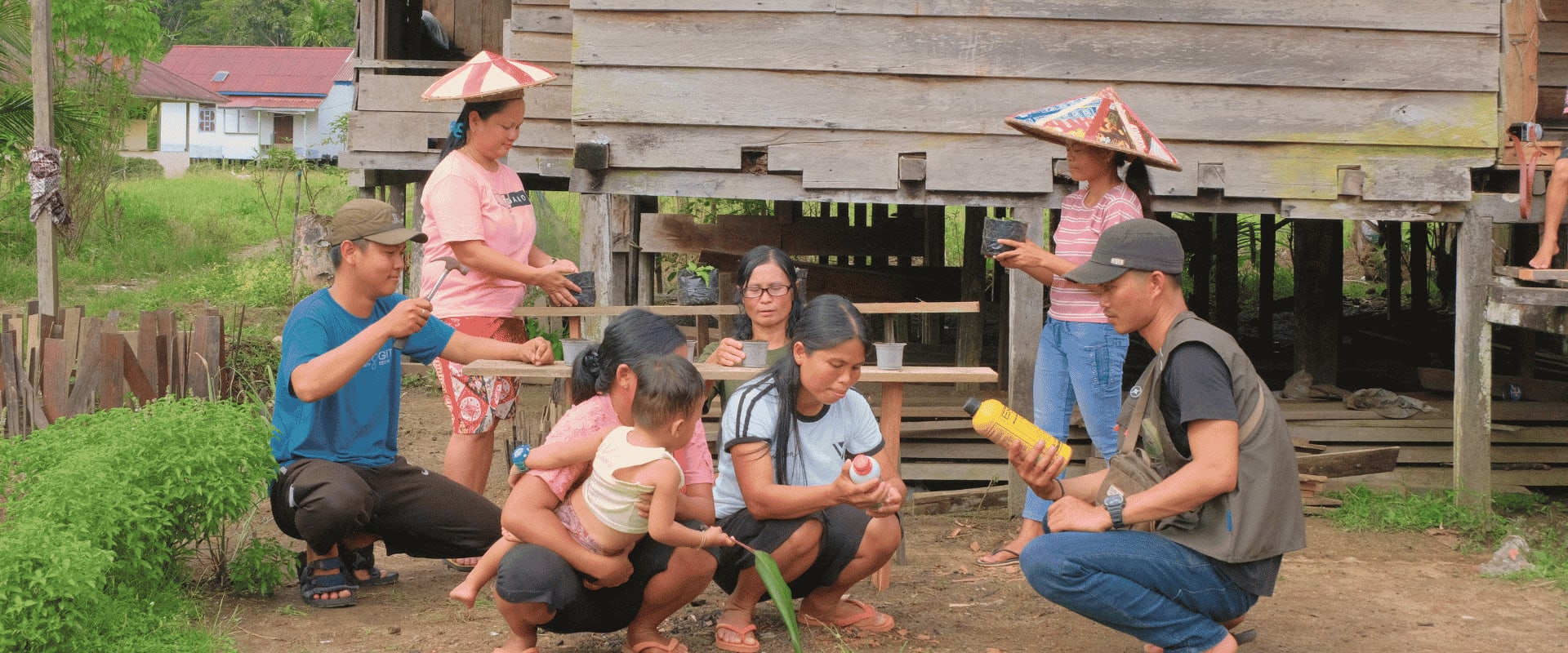
The integrated nursery serves both as a seedling production center and a community learning hub. A wide variety of seedlings are cultivated here, including food crops, vegetables, fruits, medicinal plants (TOGA), spices, and economically valuable forest tree species.
More than simply a nursery, it has become a space for learning and collaboration. Women receive training in seedling production, crop cultivation, organic composting, and group management. They then share this knowledge with their families and neighbors, allowing the benefits of the program to spread throughout the village.
Women were chosen as the primary managers because they play a central role in ensuring household food security. By strengthening their skills and leadership, the program not only increases local food production but also empowers women to become key decision-makers in managing the village's food resources. They lead every stage of the initiative—from planning seedling production and managing the nursery to distributing seedlings and ensuring its long-term sustainability.
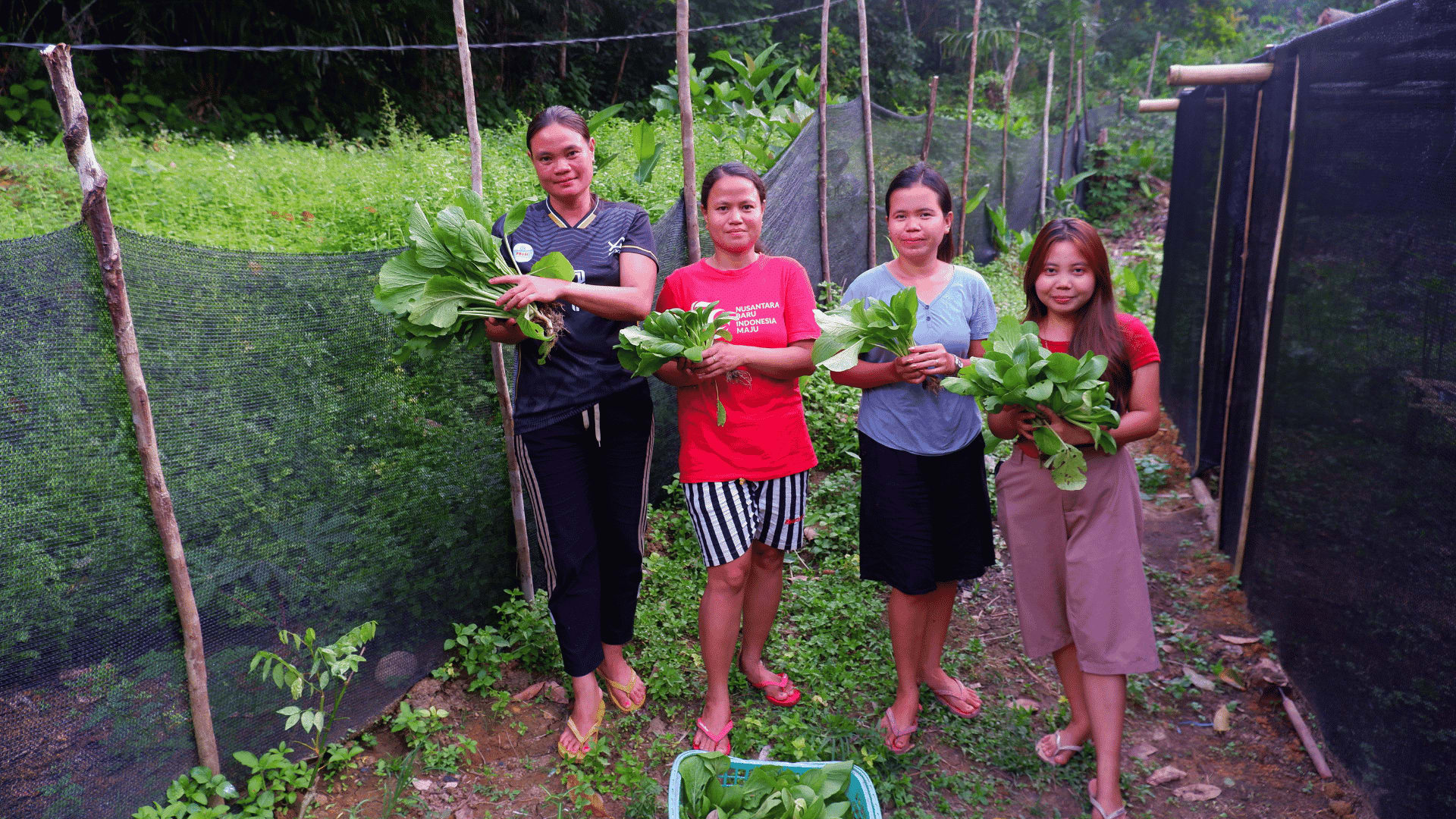
Beyond increasing food availability, the integrated nursery also promotes dietary diversity. Vegetables, fruits, and other nutritious crops that were once difficult to obtain are now becoming more accessible through household gardens. This contributes to improved family nutrition, particularly for pregnant women, breastfeeding mothers, and young children, while reducing dependence on food transported from distant towns at high cost.
The program also delivers environmental benefits. Planting diverse local species and productive trees helps maintain vegetation cover, improve soil fertility, and strengthen ecosystem resilience around the village. In this way, efforts to improve human health go hand in hand with protecting environmental health, reflecting ASRI's Planetary Health approach.
In the long term, the integrated nursery is expected to become the foundation of a more resilient village food system that can better withstand climate change, disruptions in food distribution, and economic pressures. The women's group is also encouraged to develop community enterprises based on seedlings, food crops, and non-timber forest products, creating additional economic opportunities for local families.
The experience of Nanga Jelundung demonstrates that addressing food security challenges in remote communities does not always depend on external assistance. When communities are empowered to manage local resources, strengthen local institutions, and place women at the center of decision-making, they can build a system that not only produces food but also strengthens self-reliance, improves community health, supports local livelihoods, and contributes to forest conservation. This is a practical example of community-led development, where human health, community well-being, and environmental sustainability reinforce one another to create a more resilient future.