The Universe of Mangrove Forests and Benefits We Often Overlook
Indonesia's mangrove forests are among the largest in the world, covering 24% of the global total. With an area reaching 336 million hectares, it is estimated that there are 314 billion tons of blue carbon stored in mangrove forests (KLHK). Indonesia's potential for blue carbon is significant in the context of climate change mitigation and adaptation. These ecosystems in Indonesia can absorb and store large amounts of carbon dioxide from the atmosphere. Indonesian mangrove forests are estimated to store 082-209 PgC (Pentagram carbon) per hectare.
At this point, we realize that the benefits of mangrove forests are not only ecological but also hold significant economic and social value, especially for coastal communities.
Mangrove Forest Benefits in Preventing Erosion at Mangunharjo Beach
Mangrove ecosystems provide invaluable benefits for both communities and the environment. The conversion of mangrove land effectively removes the natural defense of coastal areas. Erosion and seawater intrusion clearly threaten the lives of coastal communities, including at Mangunharjo Beach, Tugu, Semarang City. For Sururi, the lack of mangroves along the coast is a concerning sight. He doesn't want tidal floods to devastate his hometown.
"I am concerned personally because if I am hit by a tidal flood, my house will be gone, and where will I move? That's why I started planting. Wherever I stand, I plant, even though many people question it, for me, it has meaning because it can create new land and prevent erosion," explained Sururi, who recently received the Kalpataru award from the Ministry of Environment and Forestry.
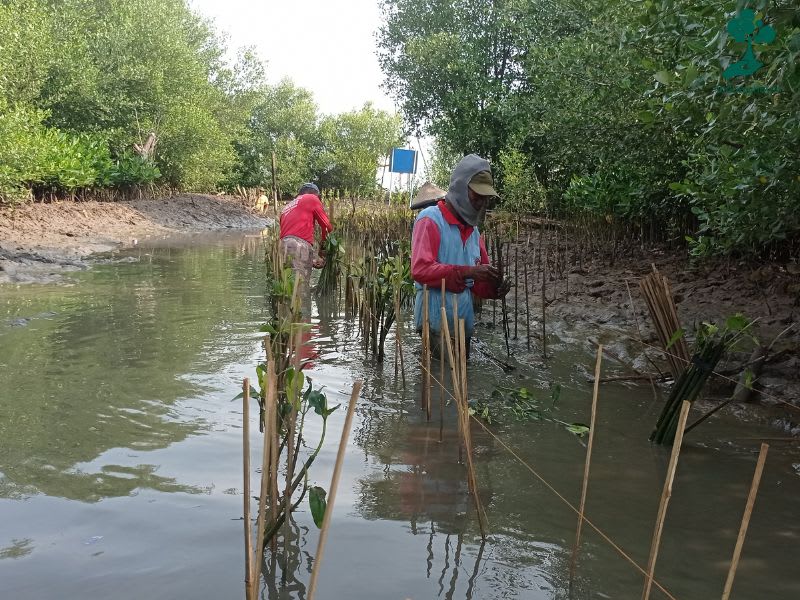
For decades, Sururi has been planting mangroves along the Mangunharjo coast. Together with the Mangrove Lestari Farmers Group and the local community, they plant Rhizophora mucronata and Avicennia marina mangroves.
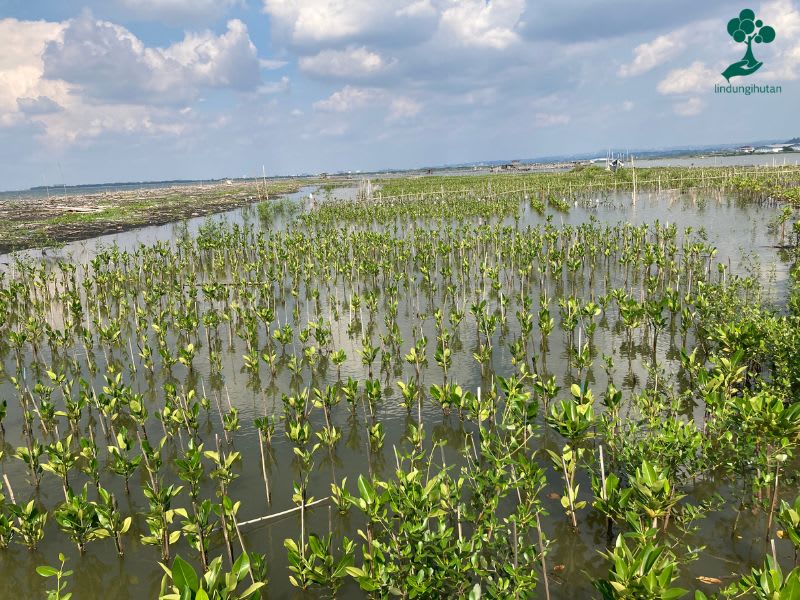
His dedication, commitment, and hard work over the decades have paid off. Mangrove planting has proven to increase land area.
"My village is now far from erosion. It used to be less than 1 kilometer to reach the beach because of erosion. Now, to get to the sea, it’s 3 kilometers," Sururi recounted.
Mangrove Forests as a Source of Income! Mangroves Cut Down, Fish Disappear, Fishermen Upset
In addition to preventing erosion and tidal floods, mangrove forests also benefit fishermen significantly. Mangrove forests are known to be home to various marine species, both as habitats and feeding grounds. Fish, crabs, and clams depend on the mangrove ecosystem for their livelihood.
When mangrove forests are damaged and lost, their inhabitants, including fish, crabs, and clams, also disappear, affecting the income of fishermen.
In Kampung Laut, Cilacap, the community has experienced the impact of the damaged Segara Anakan mangrove forest, which has affected those who work as fishermen.
"I think the mangrove forest area has decreased, and fish catches have also decreased. It's harder to find fish compared to before," said Jana, a former fisherman who now works as a laborer and plants mangroves.
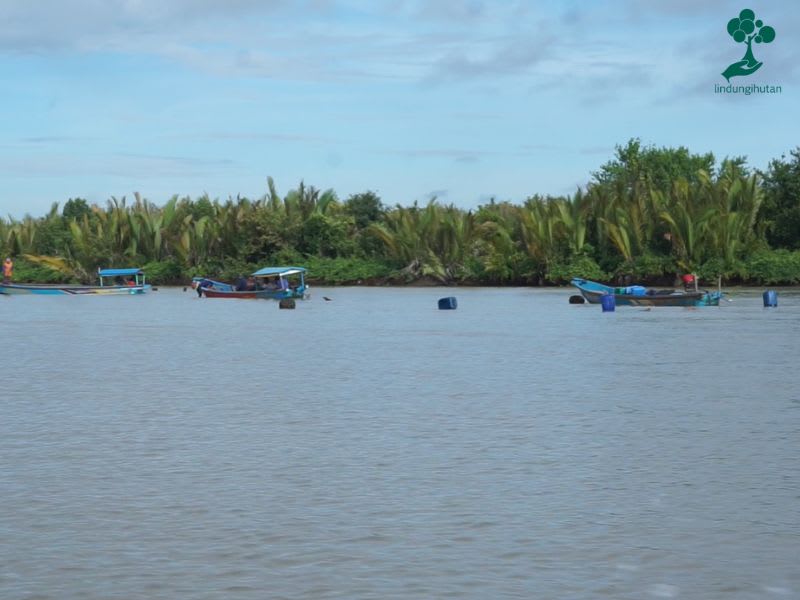
Environmental factors are the main cause. When mangrove forests decrease and rivers shrink, the number of crab catches by fishermen, including Jana, also decreases.
"In the past, the income was much better because the rivers were wider, and the forests were intact. Now, with the decreasing mangrove forests and shrinking rivers, fishermen catch fewer crabs," Jana continued.
Rehabilitation and Conservation Efforts Also Provide Additional Income for Communities
The mangrove forest area in Kampung Laut, Cilacap, which was once damaged due to land conversion into fish ponds, has now recovered. Rehabilitation and conservation efforts have been carried out since the early 2000s. Now, more than 2 million mangroves have been planted in Kampung Laut, Cilacap.
Interestingly, the benefits of mangrove forests, including their rehabilitation efforts, have had a positive impact on the local community's economy. Kampung Laut, Cilacap, is renowned as a prominent producer of mangrove seedlings. Orders for mangrove seedlings come from all over Java and even from other islands like Bali and Sumatra.
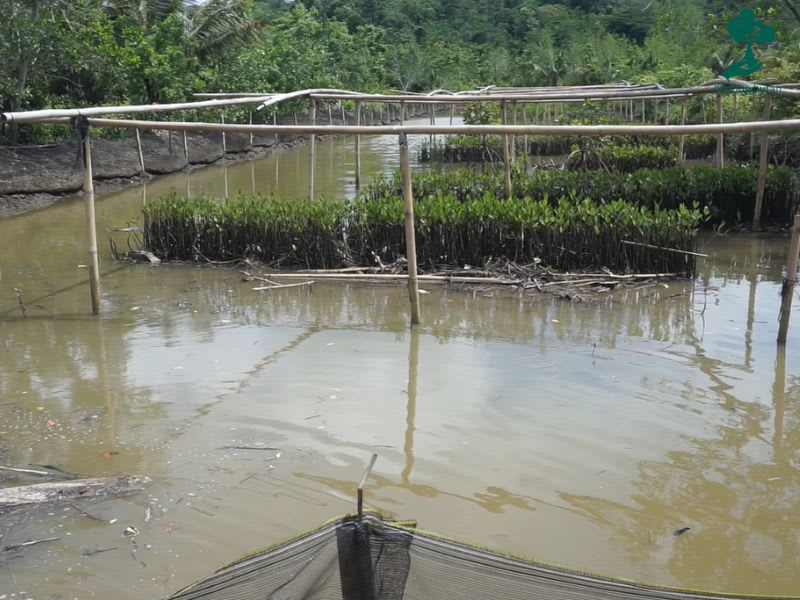
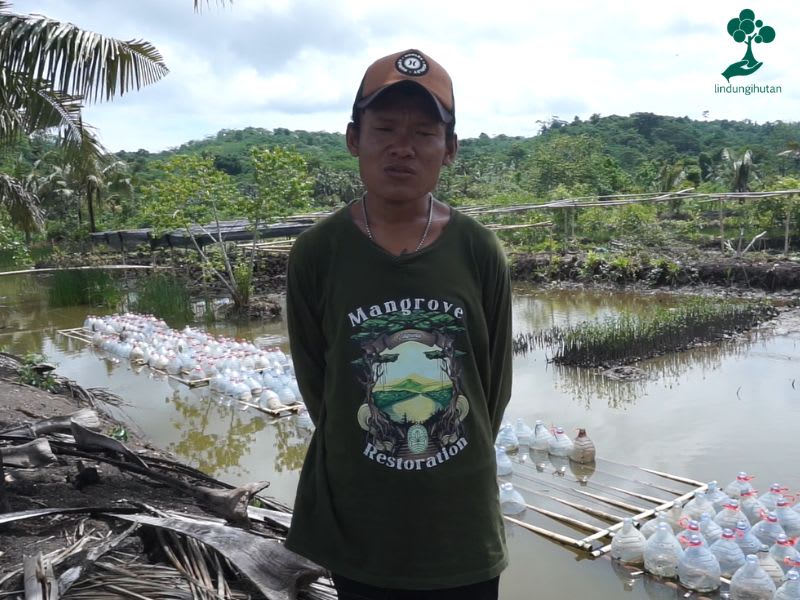
Mangrove seedling production is carried out independently by the local community, from planting to maintenance. There are two mangrove nursery locations in Kampung Laut, Cilacap, producing four types of seedlings: Rhizophora mucronata, Rhizophora stylosa, Bruguiera gymnorrhiza, and Bruguiera sexangula.
"Annually, we produce up to 500,000 seedlings. Last year, we managed to produce more than 500,000 seedlings, worked on by 20-30 people from Ujung Alang, Kampung Laut," explained Andrea, a resident of Ujung Alang, Kampung Laut, who is often involved in mangrove seedling production.
The revenue from mangrove nurseries alone can reach hundreds of millions annually. Additionally, there are benefits from managing mangrove forests as tourist areas and from processed mangrove products.
This clearly shows that the monetary benefits of mangrove forests are not small. Moreover, the benefits of ecosystem services might be even larger. Therefore, efforts to preserve and rehabilitate mangrove areas should not only focus on environmental aspects. The mangrove ecosystem supports not only marine life but also human communities. Thus, rehabilitation and conservation efforts must involve the community to ensure they are impactful and sustainable.
About LindungiHutan
LindungiHutan is an environmental startup focusing on forest conservation actions and empowering communities around forests. More than 800,000 trees have been planted in collaboration with 506 brands and companies. We engage local communities in 47 planting locations across Indonesia. We offer programs such as The Green CSR Collaboratree with Product Bundling, Service Bundling, and Project Partner schemes, as well as a Carbon Offset program.
Contact:
Intan Widianti Kartika Putri - Head of Partnership
Email: [email protected]
Phone: +62 823-2901-5769
Jl. Lempongsari 1 No. 405, Lempongsari, Gajah Mungkur, Semarang City, 50231
Website: LindungiHutan
4o